If you are traveling in Costa Rica and rent a car. You may decide to use your credit card to purchase gasoline. Well-be sure to double check the total amount of money in colones to see if it is correct before you sign the credit card voucher. I had a client who was clever enough to look very well before he signed. The gas pump attendant had charged him incorrectly. The attendant had charged the number showing how many liters had been pumped which was much higher than the number showing how many colones the gasoline cost. If he had not caught this he would have been over charged by a large amount.
Tags: COSTA RICA TRAVEL TIPS
I would like to share with you a letter I received from a young man in Uganda:
“I was in Costa Rica in 2007 and I was impressed by the willingness and responsiveness of locals to preserve their environment especially the rain forests. Yes, I know a lot of damage has been done to the environment but not at the same scale as here in Africa, particularly Uganda where I come from!
I also saw many people/tourists from the USA coming to Costa Rica to see these rain forests and other natural attractions like the volcanic mountain.
The natural green on the mountainous Costa Rica was specifically captivating! I wouldn’t even mince a word if I was given another chance to visit the country, whose people were also as warm as their weather.
When I returned to my country, Uganda, I told colleagues that there was need to emulate the Costa Rican way. I know a lot is required to combat the global warming crisis but it particularly important that we learn from what other countries are doing in winning the battle against the vice.”
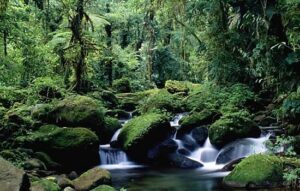
Costa Rica has 20% of its land surface protected either as national parks or wildlife preserves. Much of this land in Costa Rica, under preservation is primary and secondary rain forest, home to hundreds of species of birds and animals. The trees give off oxygen and take in Carbon Dioxide thus aiding in reducing the carbon dioxide in the atmosphere. The less carbon dioxide in the earth’s atmosphere the less warmth (in our earth’s atmosphere) .
Tags: costa rica, costa rica rainforests, global warming costa rica
Looking for a good place to eat on your day outing to the Poas Volcano National Park in Costa Rica? I can recommend Chubascos , a lovely open air rustic small restaurant located approximately 5 miles south coming down the mountain from the park. It is family run and has been in business in the same location for more than fifteen years. The menu is typical Costa Rican food with lots of fresh strawberry treats, including a fresas in leche (strawberry in milk) The strawberries are grown in the region close to Chubascos. I ordered a “casada” which is the plate of the day which came with fried plantains, peccadillo de potatoes, shredded beef, small salad made of cabbage, and home made tortillas. Everything was very tasty. I had cheesecake with fresh strawberry topping for desert. My bill was $18 which included the 13% tax and 10% tip for the waiter.
The setting of the restaurant is open air surrounded by alpine forest and since the elevation is around 6,000 feet above sea level, the air is fresh and very cool. The gardens are lush and green with hummingbird garden.
The menu is extensive and although the prices are higher than other restaurants in the area, the food is excellent and the atmosphere is memorable.
Tags: Chubascos restauranat costa rica, restaurant near Poas Volcano
Hotel Review by Ann, “The Costa Rica Expert” The Rio Celeste Hideaway Hotel -Luxury in the Jungle located on the banks of the Rio Celeste (Blue River) in NorthCentral Costa Rica.
If you are looking for rest and tranquility in a beautiful tropical setting, this exactly what you will find at the Rio Celeste Hideaway Hotel. Once you get settled in you won’t want to leave.
We spent three days there in the month of July and we felt we could have stayed longer.
tThe such as free internet access in the dining room and lounge (not inside the rooms) Cable TV and DVD player in each room. Plus numerous good movies you can check out at the front desk. Phones in each room for local calls within Costa Rica. And even a phone in the lobby where you can call the USA free.
The accommodations are luxury bungalow style and very spacious. Each bungalow has a jacuzzi tub in the bathroom as well a fun outdoor shower set in a tropical garden. Flowering plants, ruby red ginger and lavender bougainvillea are everywhere-”a feast for sore eyes”
Each room has a fully stocked mini bar.
The large swimming pool has two hot tubs plus a swim up bar.
The lunch and dinner is served in an open air dining room surround with lush green tropical vegetation. The menu is gourmet and not overly priced. Lunch is around $12 and dinner is around $15-$20 per person without alcoholic beverages. The service was excellent.
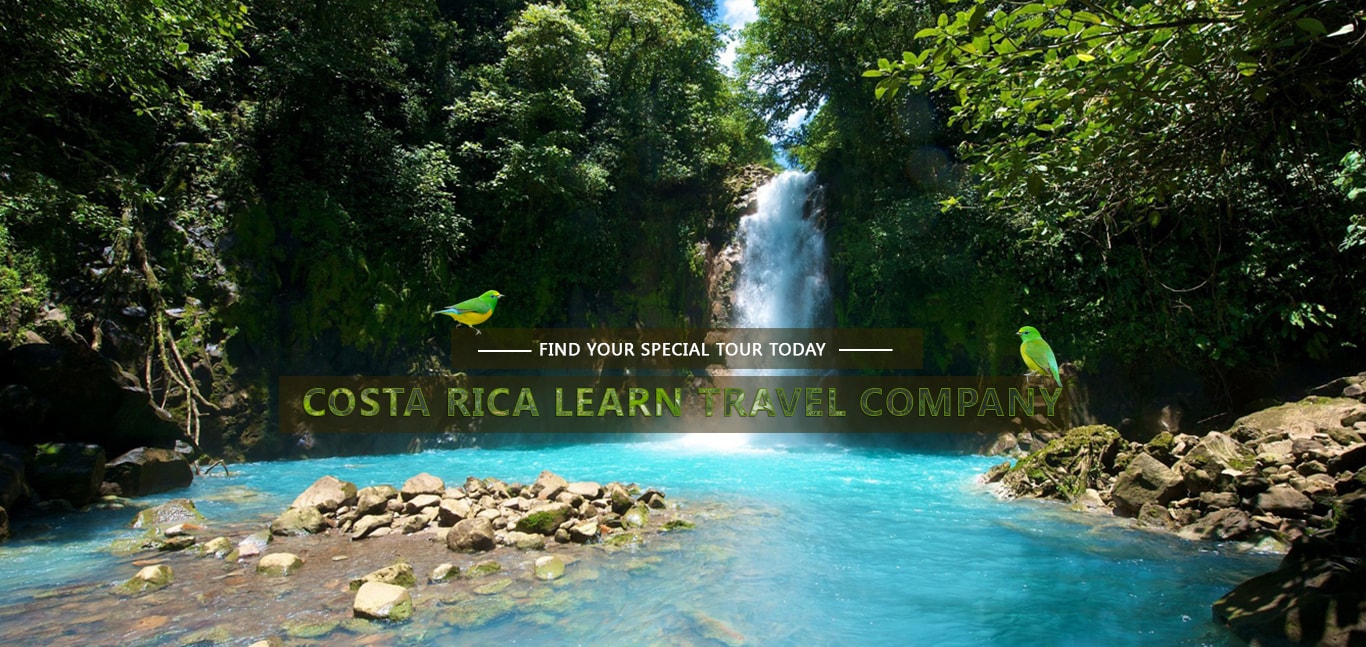
A lovely breakfast comes with the price of the rooms: Fresh fruit, homemade breads, fresh jams and jelly made from tropical fruits grown in the region, Costa Rican Coffee and freshly squeezed orange juice. And all this is served in the open air dining room where you can hear all the sounds of nature. We sat leisurely each morning listening to the symphony of bird sounds and around 8:30 am we took a walk down the path carved out by the hotel gardeners to the banks of the Rio Celeste. (Blue River) And Yes, it really is blue. Seems that it picks up sulfur as it meanders out of the base of the Tenorio Volcano, and the sunlight shining thru the clear sulfuric water gives it the sky blue color.
You can also enter the Tenorio Volcano (inactive) National Park which is near by and hike to the Rio Celeste waterfall and swim in the blue waters. However this is not an easy hike and takes about two hours. So just remember you need to be in good shape and have good tennis or hiking boots. (and a change of clothes if you wish to swim in the waterfall.
It rains a lot in this region, main reason why everything is so lush and green. So which months are the best to visit the Rio Celeste Hideaway Hotel? Least amount of rain is January thru March however during the other months the sound of the rain is soothing to many people. Best thing is to get up very early and do the hikes when the sun is brightly shining and then settle in for an afternoon of swimming in the pool or just resting-watch a movie or read a book.
Rio Celeste Hideaway Hotel offers several day tours in the region- which are listed on their web site and of course you have to pay extra for these, And you can pay with a major credit card.
So what would I recommend after having spent 3 nights here? I would say the minimum stay would be 3 nights It is a destination itself. Place to relax, unwind, be pampered, Massage is available by appointment.
And if you like — take some of the adventure day tours. After being here one day you forget about the real world outside and settle into the natural surroundings. The name Hideaway suits it well–you feel like you have “hidden-away.”
Getting to the lodge is an adventure itself. The last 15 miles is a very bumpy rocky road.
Which airport should I fly into? If you are staying in the Northwest -North Central part of Costa Rica (where the Rio Celeste Hideaway Lodge is located) then the Liberia International Airport, located in the northern Guanacaste zone of Costa Rica. It’s about 3 hours by minibus or 4×4 to the Rio Celeste Hideaway Lodge.
I wouldn’t try to drive there in a regular automobile. The last part of the road to the Hotel is dirt-rocky and bumpy.
If you have other activities in the Central Valley of San Jose and Alajuela area you should fly into the San Joe International Airport. But the journey to the Lodge from these areas is a long one. (around 5-6 hours) And quite pricey if you hire transportation. If you are renting a car, first drive to La Fortuna going thru San Ramon. From there follow the directions to Rio Celeste Hideaway Lodge on the hotel’s web site.
Read more about the unique Rio Celeste Hideaway Lodge www.riocelestehideaway.com There you will see prices and room accommodations
Read more about Tenorio Volcano National Park www.costarica-nationalparks.com/tenorionationalpark.html
Beautiful photos of Rio Celeste www.ruralcostarica.com/photos4.html
Tags: blue river costa rica, rio celeste costa rica, rio celeste hideaway hotel, rio celeste hideaway hotel costa rica, tenorio volcano
Costa Rica used to be an inexpensive place to live but not anymore. This in June 2011 and the cost of one gallon of super gasoline is $5.66. This year the dollar has weakened. The exchange rate went from 580 colones to the dollar to 498 colones to the dollar. A loss of 82 colones per dollar. A devaluation of 14%.
I asked my accountant why. His explanation is in 2011 there has been a huge influx of dollars into the Costa Rican economy..
Then why would anyone from the North America want to retire in Costa Rica? Well, that is a good question. The over all cost of living here is not lower than most locations in the US. But the wonderful climate with the sunshine may be one factor to keep the North Americans who are already retired here…and the green green that one sees everywhere in Costa Rica is definitely a mood elevator.
However there are other considerations: many of the major road systems in Costa Rica are in poor repair. And the cost of the upkeep of an automobile is very high..cost tires, cost of wear and tear caused by the many potholes. And the rainy season gets long and dreary.
The cost of food is expensive now. One gallon of milk $3.80 One gallon regular gas $5.66 One loaf of bread $2.25 one pound of butter $4.00 I dozen eggs $2.40
One pound of sugar 60 cents
The two main things that most Costa Ricas eat are rice and beans which still remain affordable.
Chicken with its bones is $3 pound. Good ground beef is $3 pound
Fresh fruits and vegetables can be purchased at very reasonable prices at the week end farmers market located in most towns.
Costa Rica’s newly printed 2,000 colon bill feathers a beautiful shark. Wonder which government official is responsible for a shark being chosen? Must have been someone who loves wildlife and wants to protect sharks instead of allowing for them to be killed and their fins being sold to Asia to be used in shark fin soup.
Hopefully this shark photo will raise awareness of the importance of protection of these beautiful creatures.

Are there sharks in Costa Rica’s waters. The answer is yes. Are they in danger? The answer is yes! Shark fining is going on off the Pacific coast of Costa Rica. And why is this allowed? The government of Costa Rica turns a blind eye to this horrific practice. Shark fins bring big money in Asia where they are used in Shark Fin Soup.
Costa Rica passed a law that the shark was not to be dumped back into the ocean after it’s fins had been removed……very far from a law banning shark fining.
Costa Rica is home to over 50 species of sharks. Tiger sharks, bull sharks, and reef sharks are the most common. But attacks on humans are very infrequent. Scientist believe that if a shark attacks a human it is because the shark thinks the human is a fish (food)
The great white shark does not make its home in the warm ocean waters of Costa Rican. They prefer the cooler Pacific Ocean currents further north.
The masterpiece of Aquatic engineering is the hammerhead shark found in the waters surrounding Coco Island, Costa Rica. The hammerhead shark has very large eyes positioned upon its flat “hammerhead”. The shark can see both above and below at all times. They travel during the day in schools of 100 sharks or more but at night they are lone hunters.
The Costa Rican Government recently printed new money. The new 2,000 colone bill (about $4 ) has a photo of a beautiful shark. But what does Costa Rica do to SAVE the sharks?
Tags: costa rica, shark fin soup, shark finning in costa rica, sharks, sharksphere.com, which sharks are in costa rican waters?

Aerial Tram Arenal volcano
Vacationing in the Arenal Volcano area? Great tours are offered by Sunset Tours, conveniently located on the square in La Fortuna, which is a small town at the base of Arenal Volcano.
Sunset Tours provides first class service with well trained English speaking guides. You are picked up and dropped off at your hotel door.
Ken and I arrived for our 3 day stay at Arenal Observatory Lodge and we picked Sunset Tours for the activities we choose to do. My personal choice was the Cano Negro Wildlife Refuge tour which is a full day tour with a delicious Costa Rican lunch included. We were there in late December at the end of Costa Rica’s rainy season and the lagoons around the Rio Frio were filled with so many birds which stop here for the feeding grounds. We saw several different kinds of storks, herons, ibis, cormorants, and ducks. so many birds I cant remember all the names. These birds are migratory and travel from the northern hemisphere to the southern hemisphere and can be seen in Costa Rica’s Cano Negro Wildlife Refuge starting around end of November and continue till end of February when the lagoons dry up and there is no longer a food source for the birds. The boat ride down the Rio Frio river was great, we were also able to see white face monkeys eating palm dates high in the tree tops, plus several really huge crocodiles. The route from our lodge to the Rio Frio was very scenic. This is pineapple country with miles and miles of pineapple farms. Best time of the year to take this out: December through end of February when most of the migratory birds are in the lagoons.
The other tour we choose was the SKY which I HIGHLY recommend. We were lifted through the rain forest in the “Sky Tram” all enclosed in glass so we could see everything outside which was so many species of trees which seem to reach the sky . And a family of howler monkeys, a mother with her 2 babies. At the top we could see a clear view of the Arenal volcano spewing fire out it’s summit, so close it seemed we could reach out and touch it. And the very large Arenal Lake with fishing boats glistening in the sunlight. Then we were strapped in the gear for the zip line. One, two, three, go! And off we went swinging from tree top to tree top, probably one of the most exciting and adventurous things I have done in my life!
Finally at the bottom we took a walk to the butterfly garden filled with blue Morpho Butterflies.
By the time we returned to the Arenal observatory Lodge we were ready for a rest! And a delicious Costa Rican lunch. And then a dip in the hot tub..what more could one ask for?
Check out all the exciting adventure tours offered by Sunset Tours at their web site. www.sunsettourcr.com
Tags: aerial tram arenal volcano, arenal observatory lodge costa rica, cano negro wildlife reserve costa rica, rio frio costa rica, sunset tours costa rica, tours arenal costa rica, zip line tours arenal volcano

Sunset Corcovado
ENJOY VIRGIN BEAUTY AND UNSPOILED NATURE AT IT’S FINEST
Traveling to Costa Rica and want to visit a very remote and unique region know as the Osa Peninsula, home to the most biologically diverse, and the most beautiful national park in Costa Rica known as the Corcovado National Park. However, it is the most difficult park to get to. Located in the southwest Pacific area of Costa Rica, most visitors arrive by small planes which fly out of San Jose, Costa Rica’s capital.
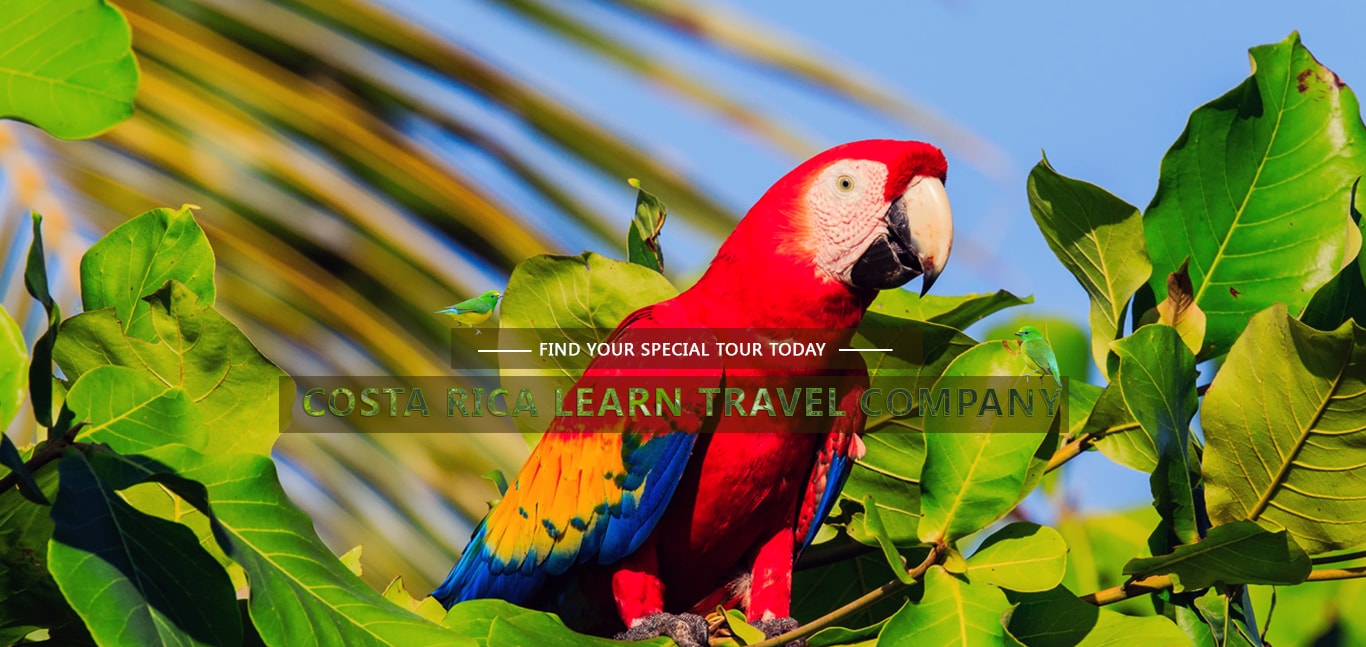
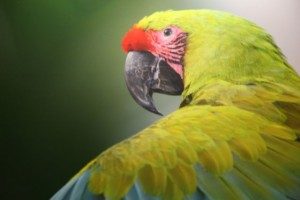
Tourists who travel to Costa Rica are adventurous and nature loving. They come to Corcovado National Park to hike and experience the vast diversity of this beautiful primary lowland rain forest. The huge trees seem to reach the sky and shade everything below the tree tops which are filled with 116 different species of birds, the most famous being the Scarlet Macaw. In the early morning it is not uncommon to see a tree filled with ten or fifteen Scarlet Macaws, and early morning is the best time to explore the park when the forest is filled with the sounds of hundreds of singing birds.

Rare Harbor Squirrel Monkey in Corcovado National Park
There are 500 different species of trees so one could not see them all if you stayed a month just checking out trees.
Oh yes, the snakes- when I visited I saw a Boa constrictor laying quietly on a bed of leaves, of course we all ran in the opposite direction. Although the Boa will strike and bite in self defense, the bite is very painful- but not deadly. The fer-de-lance is the most poisonous snake in Costa Rica and is prevalent in Corcovado. The bite can be deadly although now there is an antivenin which is very successful if the victim can get to a health clinic.
The rare Harbor Squirrel monkey makes his home in Corcovado, along with many other species of monkeys.
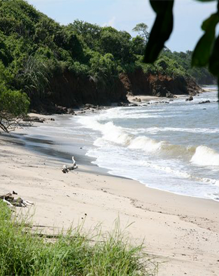
Our morning hike in Corcovado led us thru the dense forest and out onto a gorgeous brown sandy beach with huge crashing waves. Words could not describe its beauty.
Corcovado National Park is huge encompassing 263 square miles with 13 different ecosystems -primary lowland rain forest, lagoons, rivers, mangroves, and swamps. If one were fortunate enough to stay in the park for a long period of time you would see wild animals such as pumas, jaguars, wildcats, and the tapir which is the largest terrestrial mammal in Costa Rica.
It is highly recommended not to go into the park without a guide and most tourist purchase a package through one of the many Eco Lodges located near the park. These can be found on the Internet but are quite pricey . These prepaid tours include airfare from San Jose, lodging, food, and a tour of Corcovado National Park. Tours to Cano Island are also available (pay extra) at these lodges. Cano Island is a remote uninhabited island off the southwest coast of Costa Rica, reminiscent of Robinson Crusoe. Scuba diving is popular in this region where one can see small rock sharks and other larger species of fish.
Corcovado National Park Climate? Its hot and humid- temperatures can get up to 90 degrees F. mid-day. Rains all year round here, but you can expect to see sunny mornings if you get up very early-”when the sun rises” and the temperatures are much cooler in the morning, around 75 degrees F. January and February are the months when there is generally less rainfall, and temperatures are cooler, around 80 degrees F mid -day with morning temperatures around 70 degrees F.
So get your hiking done in the morning.
How to Get There: Most tourist purchase a prepaid all inclusive package and fly out of San Jose on small commuter planes like Sansa Air. Sometimes part of the trip, depending on where the eco lodge is located, is done by boat..You can find all these packages on the Internet. They are not inexpensive, but remember Corcovado is remote and a long way to get to from the central valley of Costa Rica.. The two entry points into the park are Drake Bay and Puerto Jimenez.
What dangers are there in Corcovado National Park? There are two rivers in the park that empty into the Pacific Ocean. The Rio Claro and The Rio Serena. The Rio Serena should not be crossed at high tide 1. very swift current 2. bull sharks in the water 3. crocodiles in the water some 4 meters long!
Another danger in the park are the snakes 1. fer de lance 2 bushwacker Both are very poisonous and one should wear proper shoes (that cover the ankles) and by all means stay on the trails. We saw a very large fer de lance basking in the sun by a river bed….luckily it was large and easy to spot…of course we stayed far away, impressive to see a snake that large and esp a fer de lance.
The large scorpions found in the park do not appear to be poisonous. I was bitten by one on my toe. Severe burning pain followed and of course scared me. I did not have any medication with me, so borrowed some ice from the lodge where we were sleeping and put an ice bag on it..but took hours for the pain to go away. I was wearing open toes sandals–a big No No!!
Can I swim in the ocean at Corcovado? We didnt. The waves are very ruff, and after the scorpion bite- and seeing the fer de lance- well I was not going to take any more chances with anything!
What should I take with me into the park? Adequate hiking boots that cover at least up to your ankles..no open toe shoes! Mosquito repellent, although they did not seem to come out until around 4:30 pm–bottled water, sun screen, sun hat, backpack…light weight cotton clothes, lightweight rain jacket.. if you like photography or videography this is the place to do it!
Tags: bushwhacker snake, corcovado climate, Corcovado national park costa rica, costa rica, fer de lance, how to get to corcovado national park, Osa Peninsula costa rica, scarlet macaw costa rica, weather in corcovado national aprk
Are you thinking a bringing your family to Costa Rica for vacation and want to stay in a beautiful villa? Or take that unforgettable Costa Rica Honeymoon? Well, Manuel Antonio Beach is just the place! And I can tell you about the people who can help you find the perfect Manuel Antonio vacation rental overlooking the beautiful Pacific Ocean. You can contact them at Visit My Villa a web site designed to present to you a large selection of homes and villas in the Manuel Antonio Beach Area. With photos and prices to help you make the right choice, and the personnel ready to explain the advantages and differences in each villa. On the web site you will find a telephone number to call (without cost to you) to get the up to date information you may need.
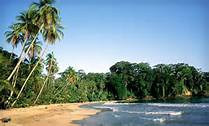
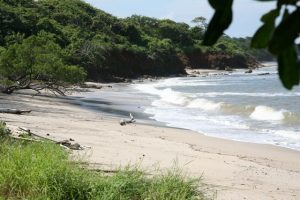
Manuel Antonio Beach is located on the Pacific Ocean side of Costa Rica . You can go by car which takes 4 hours from the San Jose International Airport or you can fly by Sansa Air in about 45 minutes. It is famous for its white sandy beaches, especially inside Manuel Antonio National Park. The photo displayed here shows the natural beauty of the sandy white beaches inside the park.
Please visit for full information www.visitmyvilla.com
Tags: costa rica honeymoon, vacation home rental manuel antonio costa rica, villas for rent manuel antonio costa rica